 Skip to content
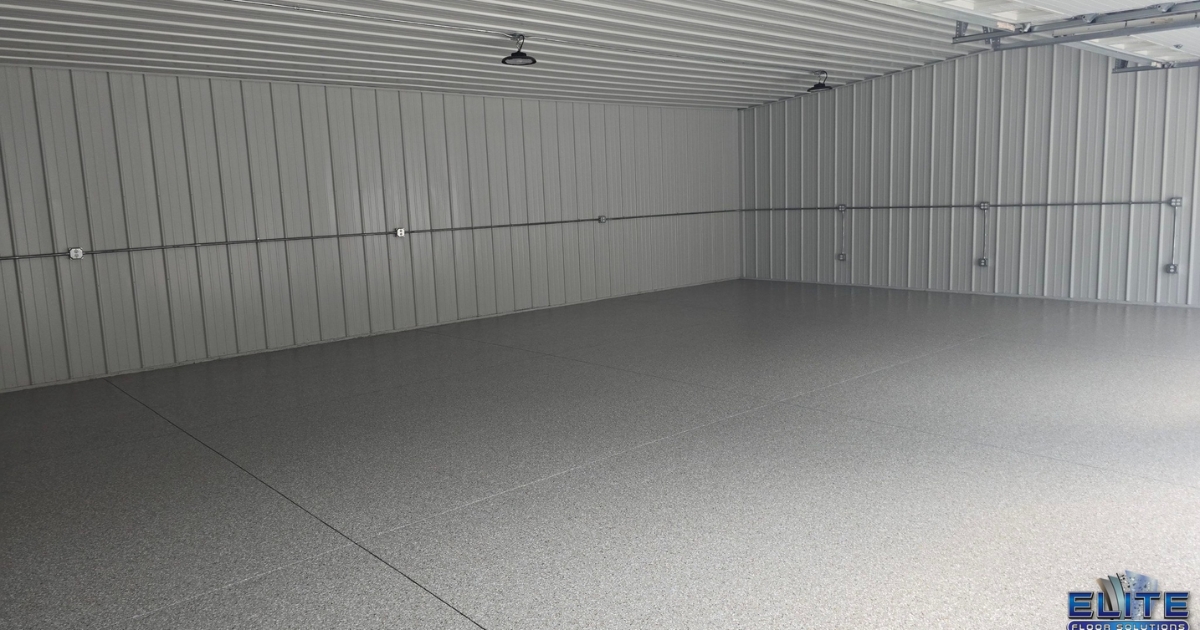
Automotive shop floor epoxy in Cleveland, TN, buyers need more than a clean-looking surface. Repair bays, tire shops, detailing spaces, and service garages deal with oil, brake fluid, wet tires, dropped tools, floor jacks, rolling carts, and constant foot traffic. Cleveland’s 54.8 inches of average rainfall and 72% relative humidity also create moisture concerns for concrete floors in working shops.
A weak coating can peel, stain, turn slick, or slow down daily workflow. A properly installed epoxy floor coating gives Tennessee automotive businesses a stronger surface that cleans more easily, resists shop abuse, and supports a safer work environment.
Why Automotive Shop Floors Fail Early
Most coating failures start under the surface. Automotive concrete absorbs oil, solvents, moisture, road film, and dust before a coating ever touches it. A coating placed over that contamination cannot bond correctly. Cleveland shops near Keith Street, APD 40, South Lee Highway, and nearby Bradley County routes see steady vehicle traffic from rain, mud, tire residue, and seasonal temperature swings. Wet vehicles bring water into service bays, while daily repair work adds petroleum residue and abrasive grit.
Epoxy flooring contractors must treat that floor as a working system. The slab needs grinding, cleaning, crack repair, and coating thickness designed for shop traffic. Skipping those steps can lead to peeling, tire pickup, dull wear paths, and stained concrete returning through the surface.
What Automotive Shop Floor Epoxy Must Handle
A shop floor takes abuse from several directions at once. Vehicles create point loads through tires and lifts. Mechanics drag equipment across the surface. Chemicals spill during oil changes, brake service, coolant repairs, and detailing work.
The floor also affects how the shop feels to customers and employees. A stained, dusty, uneven floor can make a repair facility look neglected. A sealed epoxy floor coating gives the space a cleaner, more controlled appearance while reducing concrete dust.
That is why Elite Floor Solutions builds shop floors around the demands of automotive facilities, not basic residential use. Automotive shops need stronger prep, smarter topcoat selection, and surface texture that matches how the floor gets used each day.
Cleveland, TN Conditions Affect Shop Floors
Cleveland sits in a warm, wet part of Southeast Tennessee. Rain falls throughout the year, and local climate data shows March as one of the wettest months in the area.
That moisture matters inside automotive shops. Wet tires, open bay doors, humid air, and slab vapor can all affect concrete coating performance. A floor that looks dry may still carry moisture below the surface.
Automotive shop floor epoxy needs proper installation timing. The slab must be prepared correctly, repairs need time to set, and each coating layer must cure within the right conditions. Fast work has no value when the floor loses adhesion later.
Surface Prep Creates Long-Term Bond
Surface preparation decides how well epoxy flooring bonds to concrete. Automotive shops usually need mechanical grinding because old concrete contains oil, tire residue, sealers, paint, and embedded dirt.
Grinding opens the surface and removes weak material. Crack repair reduces exposed failure points. Cleaning clears dust and residue before the epoxy floor installation begins. This process gives the coating a stronger base.
A floor coating placed over smooth or contaminated concrete may look finished on day one. Shop traffic then exposes the weak bond through peeling, chipping, and tire marks. Professional epoxy floor installers solve that risk before the coating goes down.
Chemical Resistance Protects Daily Work
Automotive floors need resistance against oil, grease, brake fluid, transmission fluid, coolant, cleaners, and fuel residue. These materials can stain bare concrete and create slick spots that spread through the shop.
An epoxy floor coating helps keep spills closer to the surface. That makes cleanup faster and reduces deep staining. Shop owners still need prompt cleaning, but sealed concrete gives crews a better chance to control mess before it becomes permanent.
OSHA requires workplace walking surfaces to stay clean, orderly, and as dry as feasible. A properly textured coating can support that goal by making daily cleanup more practical in active service bays.
Traction Matters Around Wet Vehicles
Automotive shops cannot ignore traction. Wet tires, rainwater, pressure washing, and fluid spills can create slip concerns during a busy workday. A glossy floor with the wrong finish may look sharp but feel unsafe under wet conditions.
Texture should match the shop’s workflow. A service bay needs enough grip for technicians, while a showroom-style customer area may need a smoother finish. Too much texture can make cleaning harder. Too little texture can increase slip risk.
Elite Floor Solutions designs commercial floor systems around use, traffic, and cleaning needs, so the surface supports both durability and daily movement.
Topcoats Extend Shop Floor Life
Epoxy provides strong build and adhesion, but the topcoat handles most abrasion. Automotive facilities need a surface that resists tire wear, cart traffic, chemical exposure, and repeated cleaning.
A polyurea or polyaspartic topcoat can improve wear resistance and help the floor return to service faster. That matters for repair shops that cannot afford long shutdowns. The right topcoat also helps protect color, gloss, and texture.
Our polyurea floor coating options can support shops that need a tougher finish over prepared concrete. The full system matters more than one product name.
Color And Layout Support Workflow
Automotive flooring does more than protect concrete. Color, flakes, and finish can help organize the space. Lighter floors improve visibility under vehicles. Defined areas can separate service bays, customer zones, storage, and detail areas.
Safety lines, traffic paths, and work zones can help shops control movement. A clean floor also makes leaks easier to spot, which helps technicians catch problems during inspections and repairs.
A coating system should fit the building’s use. A tire shop, detail bay, mechanic garage, and dealership service area do not need the same surface design. The best epoxy flooring company asks how the shop works before recommending a finish.
When Bare Concrete Costs More
Bare concrete looks cheap at first, but automotive work exposes its weaknesses. It absorbs oil, creates dust, stains quickly, and gets harder to clean over time. Spills spread into the slab, and tire traffic grinds dirt into the surface.
That creates more cleaning time and a rougher customer impression. It can also make future coating work harder because the slab collects years of contamination.
A professional epoxy floor installation helps protect the concrete before damage becomes expensive. For many Cleveland, TN shops, the best time to coat the floor is before stains, cracks, and moisture problems take control of the project.
How We Build Automotive Shop Floors
We start by looking at the slab, the use of the shop, and the problems the floor already shows. Oil stains, cracks, surface dust, moisture concerns, and worn traffic lanes all affect the system choice.
The floor gets mechanically prepared to create a strong profile. Repairs come before coating. The epoxy system gets applied with the right build for shop traffic. A protective topcoat helps manage abrasion, cleaning, and daily wear.
Elite Floor Solutions provides epoxy flooring services for working automotive spaces across Cleveland and nearby Southeast Tennessee communities. Shop owners can start through our contact page when they need a floor built for service bays, detail areas, tire work, and vehicle traffic.
Automotive Shop Floor Epoxy FAQs
How Long Does Automotive Shop Floor Epoxy Last?
A properly installed automotive shop floor epoxy system can last for many years in Cleveland, TN. Lifespan depends on surface prep, coating thickness, topcoat choice, chemical exposure, cleaning habits, and daily traffic.
Is Epoxy Strong Enough For Vehicle Lifts?
Epoxy can perform well around vehicle lifts when the concrete is sound and properly prepared. The coating system should match the equipment, traffic load, and service work performed in the shop.
Will Hot Tires Damage Shop Floor Epoxy?
Hot tires can damage weak coatings or poorly prepared floors. A professional epoxy floor coating with proper prep and a durable topcoat handles tire contact much better than thin DIY products.
Can Epoxy Resist Oil And Automotive Fluids?
Epoxy flooring helps resist oil, grease, coolant, and many shop fluids when spills are cleaned promptly. Chemical resistance improves when the system includes the right topcoat for automotive use.
Is Automotive Epoxy Flooring Slippery?
Epoxy can feel slippery when installers use the wrong finish for a wet shop. A properly textured automotive floor improves traction while still allowing practical cleaning.
How Long Does Shop Floor Installation Take?
Timing depends on slab condition, repairs, square footage, coating system, and cure needs. Shops with oil contamination, cracks, or moisture concerns may need more prep before installation starts.
Can Old Painted Shop Floors Be Coated?
Old paint usually needs removal before epoxy floor installation. Coating over weak paint can cause peeling because the epoxy bonds to the failing layer instead of the concrete.
What Makes Professional Epoxy Better Than DIY Kits?
Professional epoxy floor installers use mechanical prep, stronger materials, thicker systems, and better topcoats. DIY kits often fail early in automotive shops because they lack proper prep and build.
Does Cleveland Rain Affect Shop Floor Coatings?
Yes, frequent rain and humidity can affect slab moisture, wet tire traffic, and installation timing. Cleveland’s wet climate makes moisture review and proper prep especially important for shop floors.
Upgrade Your Cleveland Automotive Shop Floor
A durable automotive floor starts with the right system, not a quick surface coating.
Cleveland, TN repair shops, detail bays, tire stores, and service facilities need epoxy flooring that handles oil, wet tires, rolling equipment, and daily traffic. Elite Floor Solutions installs automotive facility flooring systems built around real shop conditions in Southeast Tennessee.
Get a stronger floor plan for your business through our contact page.
